CCC-SLP
ASHA Certificate of Clinical Competence in Speech-Language Pathology.
About
MPH, MS, CCC-SLP, TSSLD, BE · Founder & President · Speech-Language Pathologist
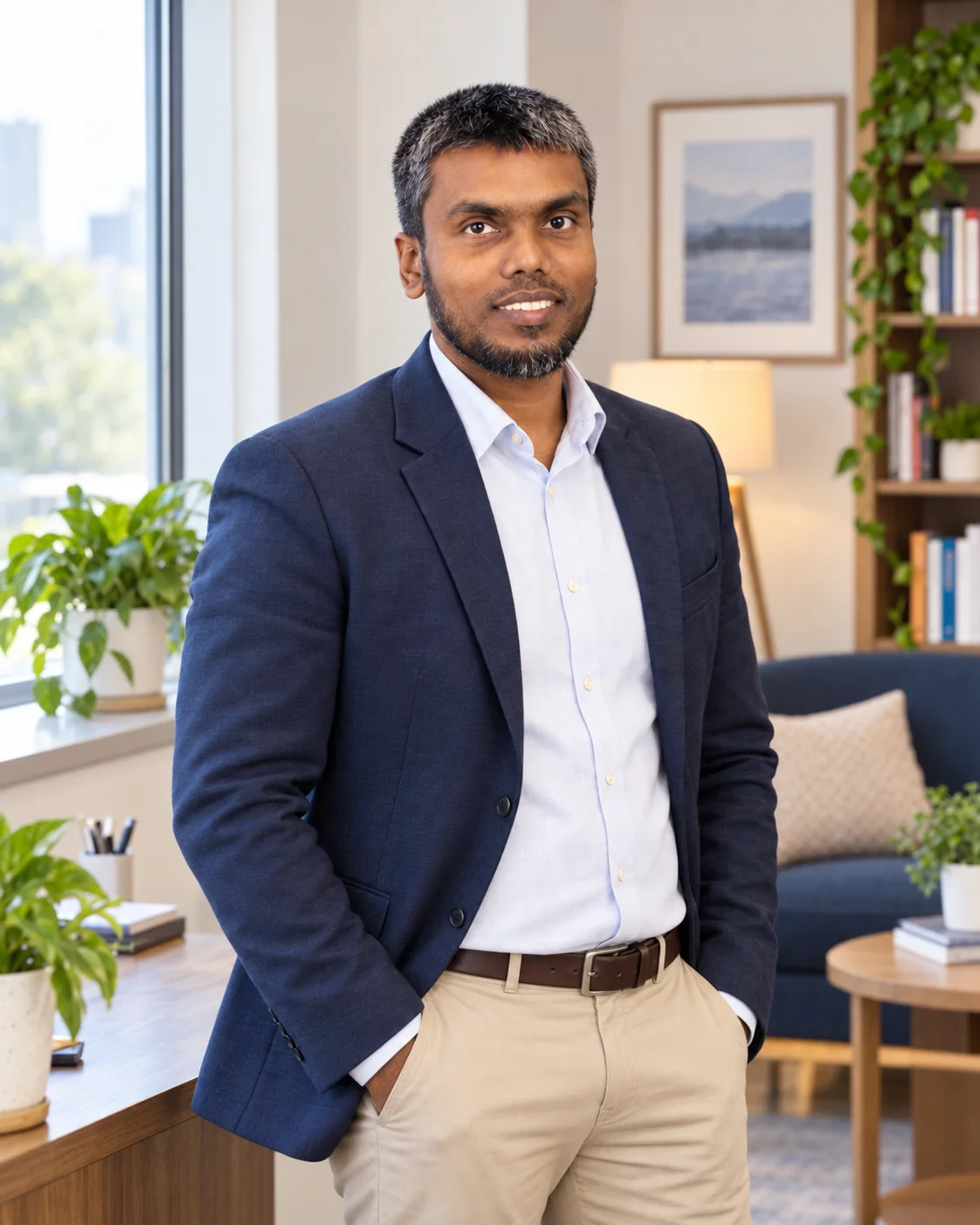
His story
Sharif was born in Gaibandha District in the northern part of Bangladesh. His academic path brings together speech-language therapy, public health, and communication sciences. He completed a Bachelor of Science in Speech & Language Therapy and a Master of Public Health at the University of Dhaka in Bangladesh, then pursued a Master of Science in Communication Sciences and Disorders at Adelphi University in New York, USA.
Today, as Founder & President of MD Sharif Al Mamun SLP P.C., he brings that educational and professional background to a client-facing speech therapy practice in New York.
Education
Training across speech-language therapy, public health, and communication sciences.
Credentials
ASHA Certificate of Clinical Competence in Speech-Language Pathology.
Licensed as a Speech-Language Pathologist in New York State.
Teacher of Students with Speech and Language Disabilities credential.
Additional bilingual extension reflected in the client's professional credentials.
Professional milestone
A memorable moment from Sharif’s international award ceremony held in Montreal, Canada, in 2008.
A highlight from the International Award Ceremony in Montreal, Canada, 2008.

Professional experience
Sharif's professional experience includes assessing and treating children with communication needs such as autism, language disorders, hearing impairment, and stammering, with support for speech, academic, expressive, and receptive language skills.
He also works with adults with stroke and Parkinson's disease who have communication and swallowing disorders, and he values culturally and linguistically responsive support for multilingual individuals and families.
Perspective
Language, culture, learning, health, family context, and individual goals can all shape how a person communicates. Sharif's approach begins with listening carefully and understanding what matters to the person and family in front of him.
That means avoiding one-size-fits-all assumptions and focusing instead on clear information, professional guidance, and practical next steps.
Thoughtful support starts with understanding the person, not just the communication concern.
Practice philosophyNext step